
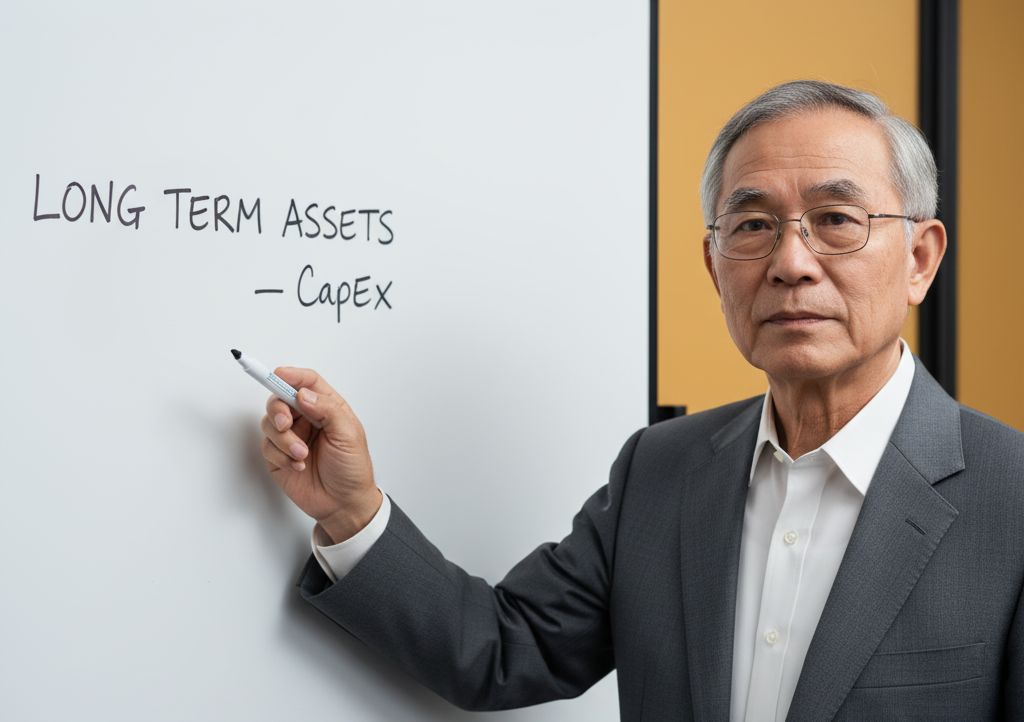
What are Long-term Digital Assets in Marketing?
Long-term digital assets in marketing are strategic resources that continue to deliver value, drive traffic, build brand authority, and generate leads over an extended period, often months or years, without requiring constant paid promotion.
They appreciate in value over time, often through search engine optimization (SEO) and continued relevance.
Examples of long-term digital assets:
- Brand Assets and Guidelines: Elements like your logo, brand visuals, brand voice documentation, and design templates ensure consistency across all channels, which builds brand recognition and trust over the long run.
- Website and Domain Name: Your website is your brand’s primary digital home and a fundamental asset. A well-optimized, user-friendly website and a strong, recognizable domain name are foundational.
- Search Engine Optimization (SEO) Infrastructure: When referring to the building of new, custom, core components of your website platform to enable new functionality such as automated internal linking systems, the direct development costs may be capitalized.
- Proprietary Software like a Custom CRM for Customer and Audience Data: The collected and organized data about your audience’s behavior, preferences, and demographics is an invaluable asset for future personalization, targeting, and strategic decision-making.
What are Short-term Digital Assets in Marketing?
Short-term digital assets in marketing are typically defined by their limited lifespan and their focus on generating immediate, tactical results (quick wins) rather than compounding long-term value. For example, paid advertisements such as display banners, PPC ads, social media ads, have a quick burnout and are typically active only as long as the campaign budget runs. Other ephemeral content and promotional collateral that are considered short-term digital assets are social media stories, proposals, and temporary landing pages.
The main difference is the depreciation or “shelf-life”:
- Short-Term Assets: Value depreciates immediately. A banner ad for a summer sale is worthless in winter.
- Long-Term Assets: Value appreciates over time. They continue to generate traffic, leads, and brand authority long after their creation.
Why Does Knowing the Difference Between Long-term and Short-term Digital Assets Matter?
Knowing the difference between long-term digital assets and short-term digital assets matters because long-term assets are considered a capital expenditure and short-term assets are considered an operational expenditure. Distinguishing between Capital Expenditures (CapEx) and Operational Expenses (OpEx) is crucial for a business because it directly impacts financial reporting, tax strategy, and strategic decision-making.
The core difference lies in the time horizon and accounting treatment of the expense. There are three key reasons for the distinction:
- Financial Reporting and Analysis
- CapEx purchases (e.g., machinery, buildings and long-term digital assets) are recorded as assets on the balance sheet. The cost isn’t fully recorded at once; instead, it’s spread out over the asset’s useful life as a depreciation or amortization expense on the income statement.
- OpEx costs (e.g., salaries, rent, utilities) are fully recorded as expenses on the income statement in the period they are incurred, directly reducing the company’s reported net income (profit) for that period.
- Tax Implications- The tax treatment is a major point of difference that affects a company’s taxable income and tax payments.
- OpEx is generally fully tax-deductible in the year the expense is incurred, providing an immediate tax benefit.
- CapEx is not immediately deductible. The cost is recovered over several years through depreciation or amortization deductions. This spreads the tax benefit out over the asset’s useful life.
- Budgeting and Strategic Planning – The distinction informs how a company plans for its spending and growth.
- CapEx involves long-term investments that require large, upfront capital and extensive strategic planning (capital budgeting) since they are intended to generate revenue for years.
- OpEx relates to short-term, day-to-day costs that keep the business running. They are typically easier to adjust and manage within short-term operating budgets, offering more flexibility.
In summary, Capital Expenditures (CapEx) generally increase a business’s long-term value and growth potential more than Operational Expenses (OpEx). This is because CapEx represents an investment in the company’s future, while OpEx represents the cost of its present operations.
At Fortify Advisory, we focus on developing long-term value for our clients, which is why many of our services are dedicated to the development of long-term digital assets and considered a capital expenditure, not an increase in your operating expenses.